Portrait of Jenny K. Calahan
JKC

Jenny K. Calahan

Kavli-Laukien Origins of Life Fellow  ·  Center for Astrophysics, Harvard

I am an astronomer curious about the origins of our Earth, exoplanets, and life. I primarily study protoplanetary disks, and use thermo-chemical modeling to connect disk observations to the physical and chemical processes that shape planet formation.
Research

Selected publications — hover over a card to see details and a link to the ADS record.

Key figure from paper 1

Taking the Temperature of a Nearby Planet-Forming Disk

Calahan, J. K., Bergin E. A., Zhang K., et al.  ·  ApJ 908, 8 (2021)

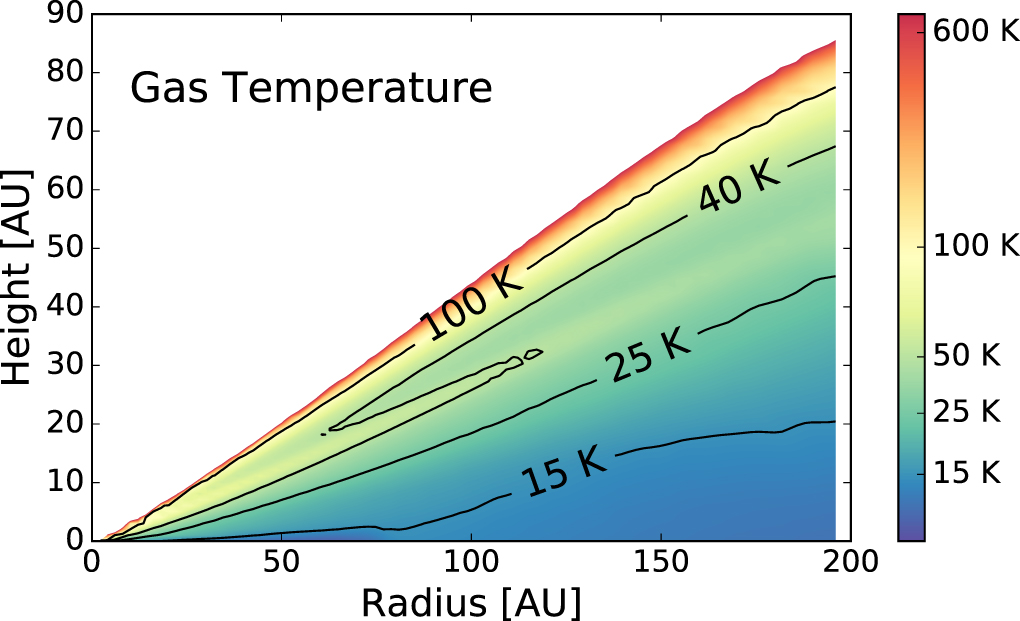
The TW Hya Rosetta Stone Project. III. Resolving the Gaseous Thermal Profile of the Disk

TW Hya is the nearest protoplanetary disk to us, and has been observed thoroughly with ALMA. In this paper, I combine multiple ALMA datasets to reconstruct the disk's temperature structure, which is a key input for planet formation models. My model utilizes CO-depletion in order to reproduce both the CO line emission and HD flux. Since then, this model has been used widely and is publicly available.

hover for details →
Key figure from paper 2

Chemical Fingerprints of Late-Stage Planet Formation

Calahan, J.K., Bergin E. A., Bosman A., et al.  ·  Nature Astronomy 7, 49 (2023)

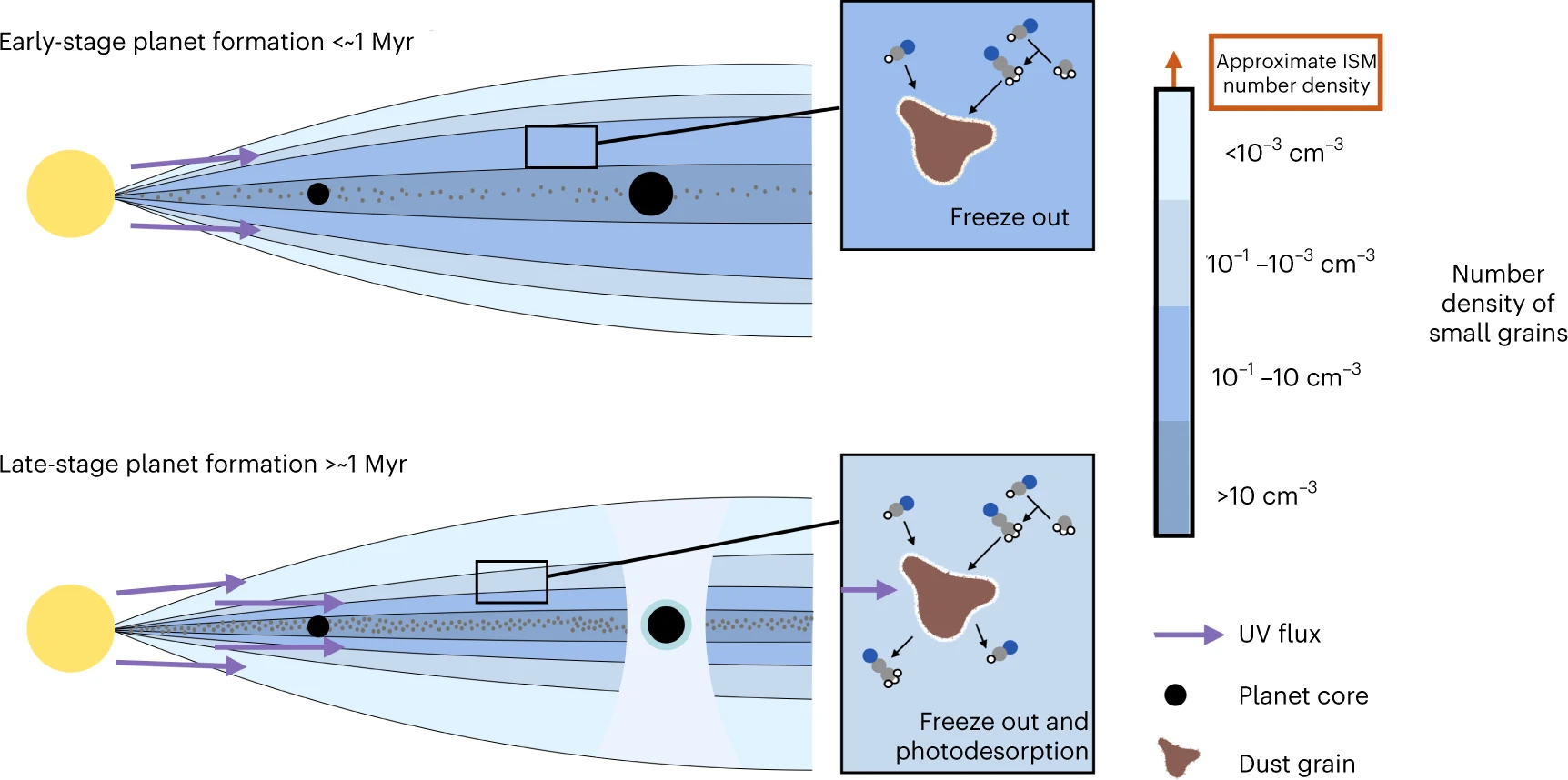
UV-driven chemistry as a signpost of late-stage planet formation

Older disks exhibit bright emission from complex organic molecules (COMs), such as CH3CN. In this paper, I show that a combined enhancement of carbon and an evolved dust substructure are required to reproduce observed COMs emission, with TW Hya and HD 163296 as case studies. This work suggests that carbon-rich molecules may be signposts of late-stage planet formation.

hover for details →
Key figure from paper 3

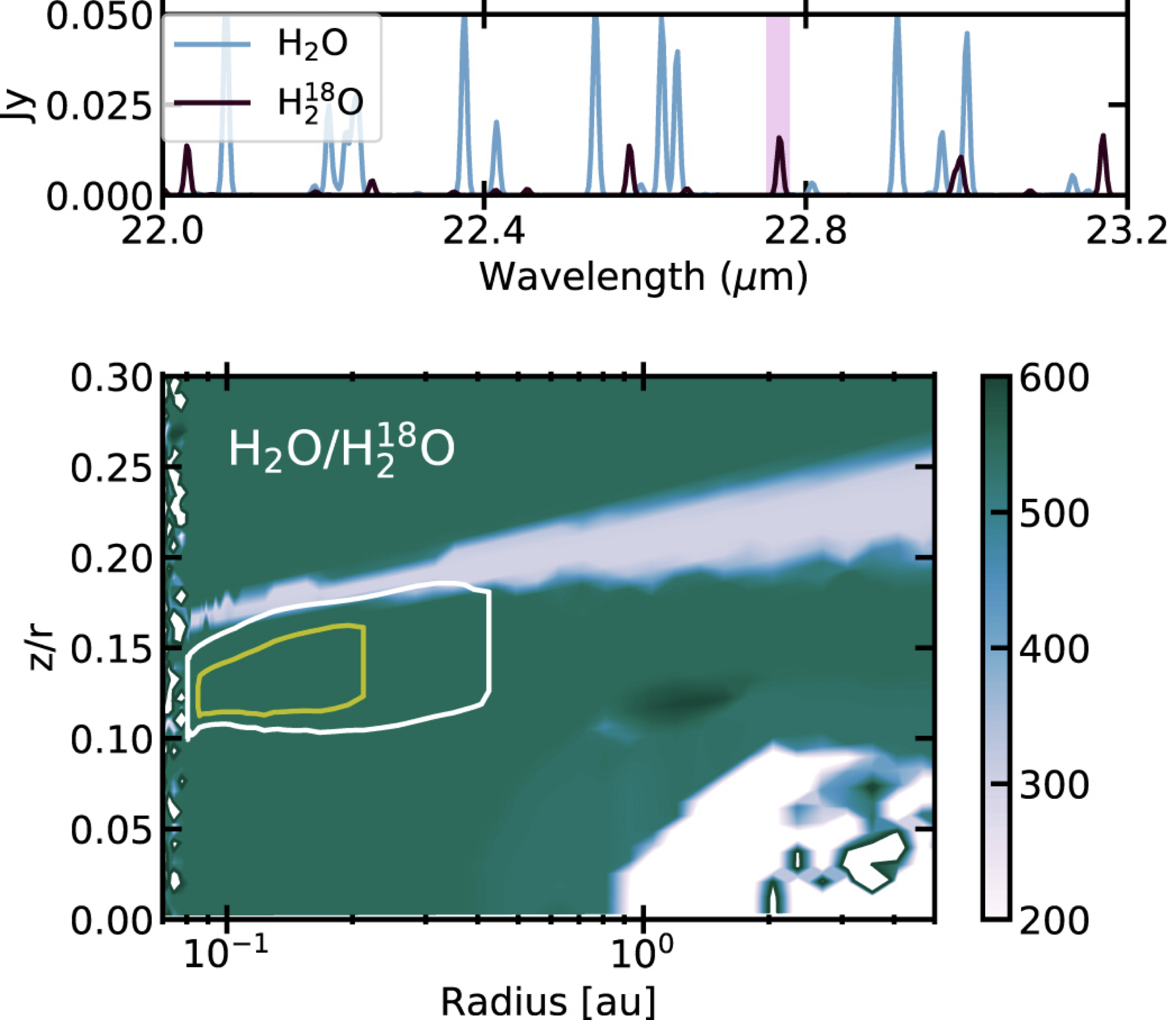
How Water Shields Itself from UV Starlight

Calahan, J.K., Bergin E. A., Bosman A., et al.  ·  ApJL 934, L14 (2022)

Water UV-Shielding in the Disk Midplane: Implications for O18 Isotope Anomalies in H218O Infrared Emission and Meteorites

Gas-phase water is highly abundant in typical protoplanetary disks, and can shield other molecules from UV radiation. In this paper, I show that water UV-shielding in an AS 209 model will lead to an enhancement of H218O, and could be observed with JWST. I identify individual lines that should be used in future searches for H218O within JWST data.

hover for details →
Key figure from paper 4

How Neighboring Stars Shape Planet-Forming Chemistry

Calahan, J.K., Öberg K., Booth A.S.  ·  ApJ 991, 94 (2025)

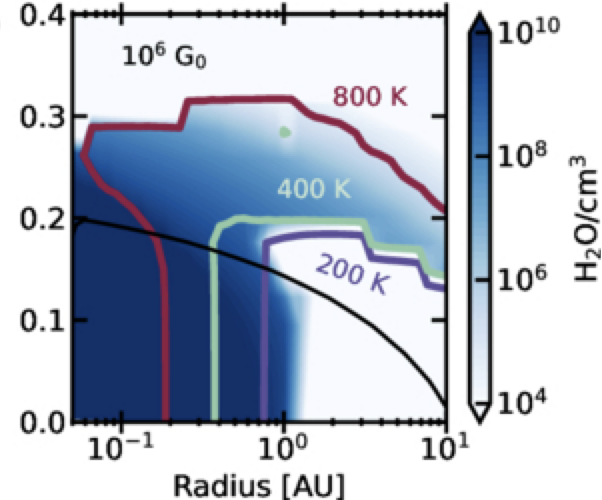
The Impact of External Radiation on the Inner Disk Chemistry of Planet Formation

Most disks, including our own Solar Nebula, are born in clustered environments and are exposed to external radiation from nearby stars. Using a thermo-chemical model, I explored the impact of external UV radiation on inner disk chemistry. I find that the midplane within 1 AU will not be impacted by even a 106 G0, but the atmosphere and outer disk will be significantly processed. Snow-surfaces, even the water snow-surface, will turn over and more of the outer disk will host temperatures allowing water and other typically inner disk molecules to exist in the gas phase.

hover for details →

Making Astronomy Accessible Through Outreach and Service

Making astronomy more accessible for underrepresented groups helps everyone. Thus, I have used my skills as a leader, advocate, educator, and public speaker to promote inclusion in the field, and especially encourage and promote individuals in underrepresented groups. Below are a few examples of such service and outreach.

Postdoc Council Chair

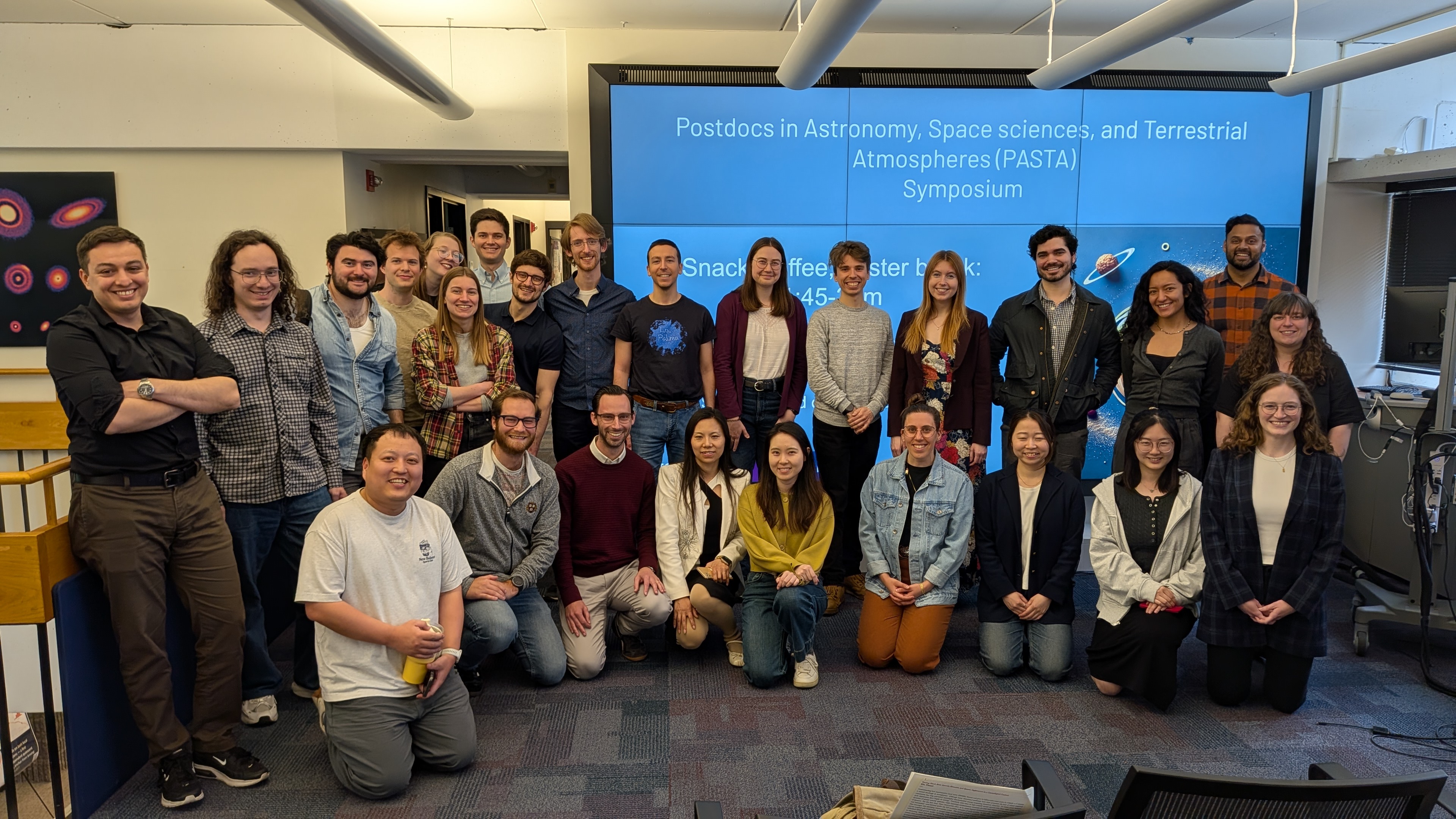
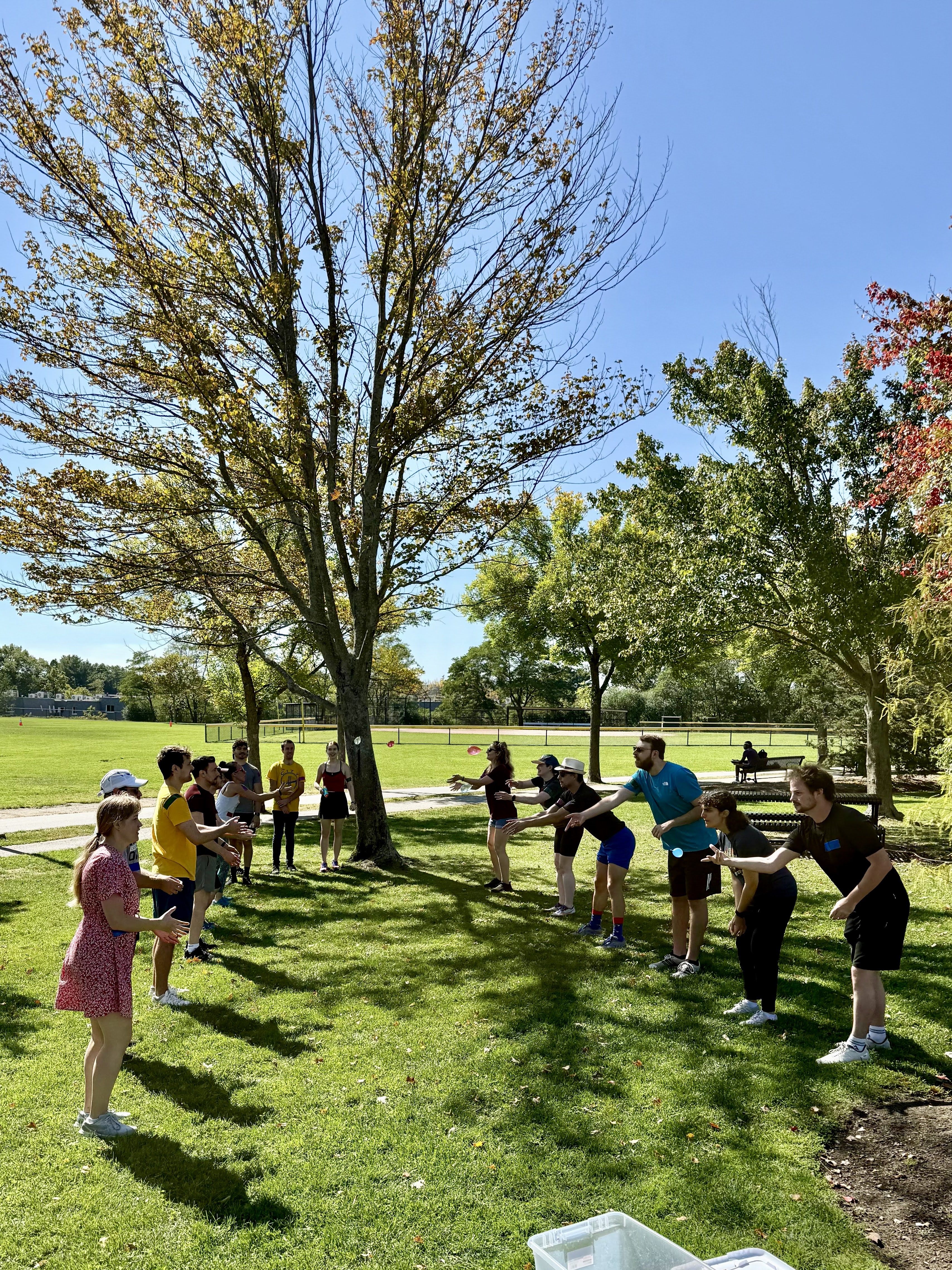
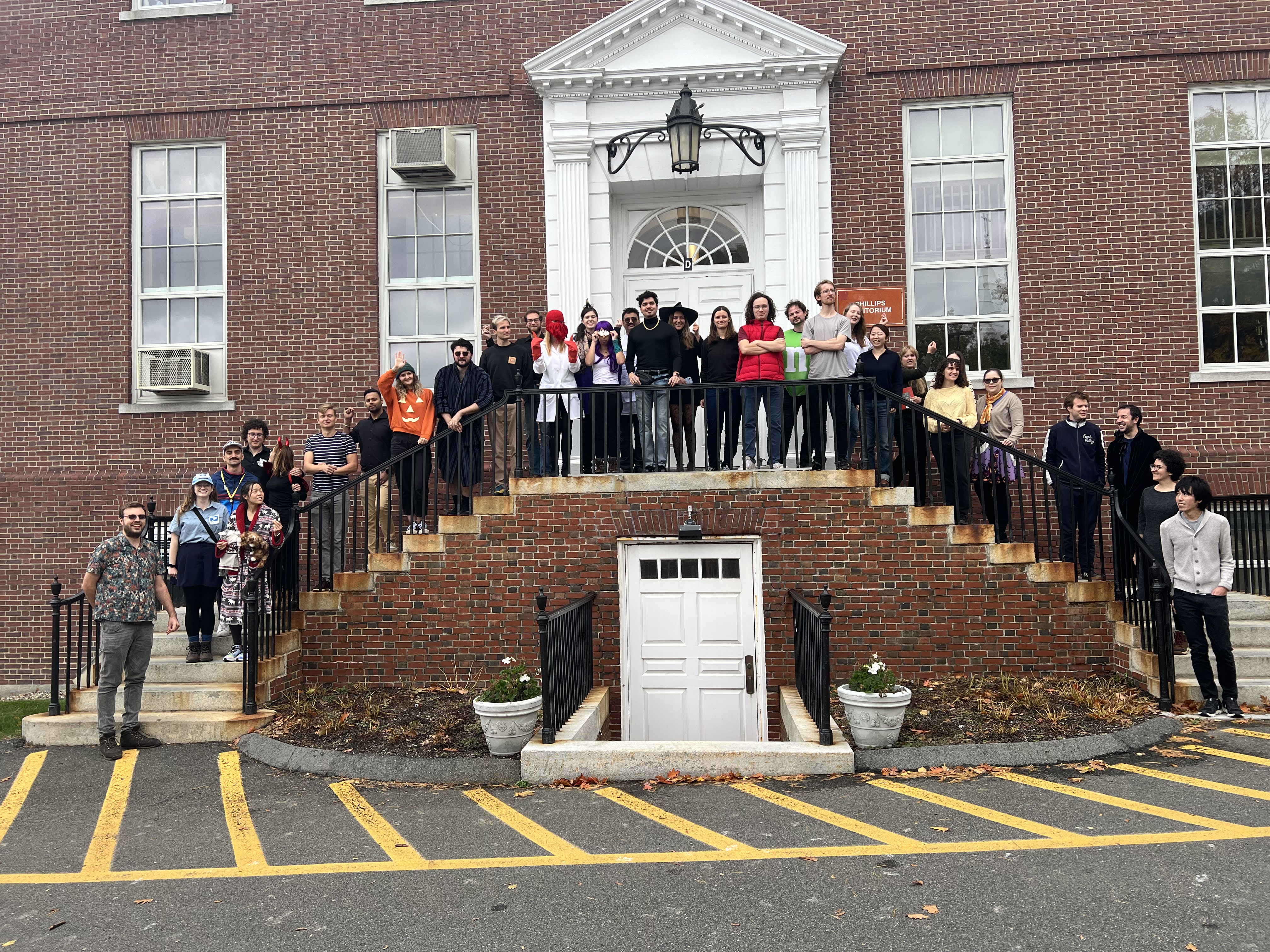
I have been a member and now chair of the Postdoc Council at the Center for Astrophysics | Harvard & Smithsonian from Summer 2024 to present. As chair, I initiated and led the first CfA postdoc symposium, built postdoc community through a Summer Games event, and advocated for postdoc support as a member of the CfA executive council.

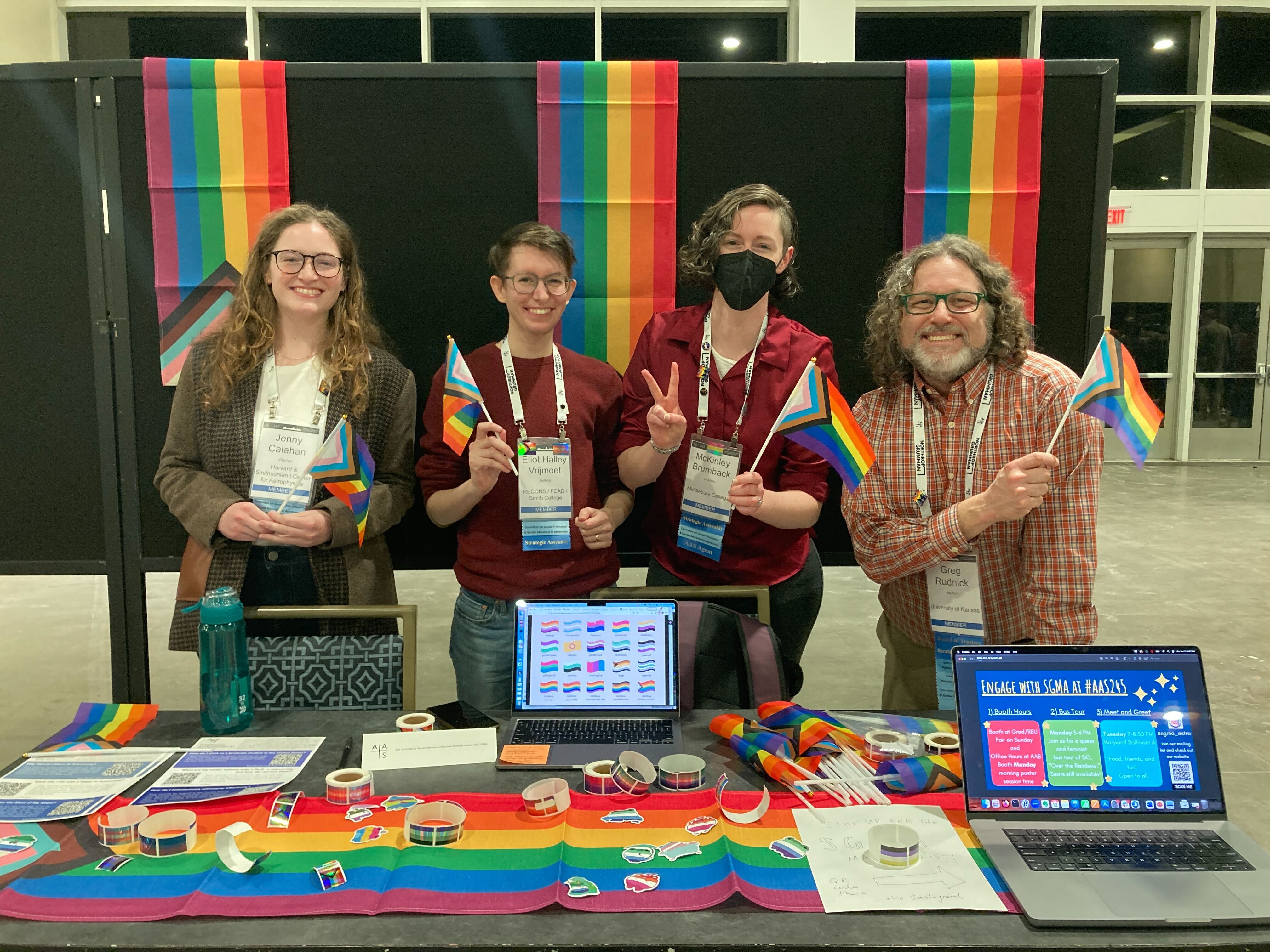
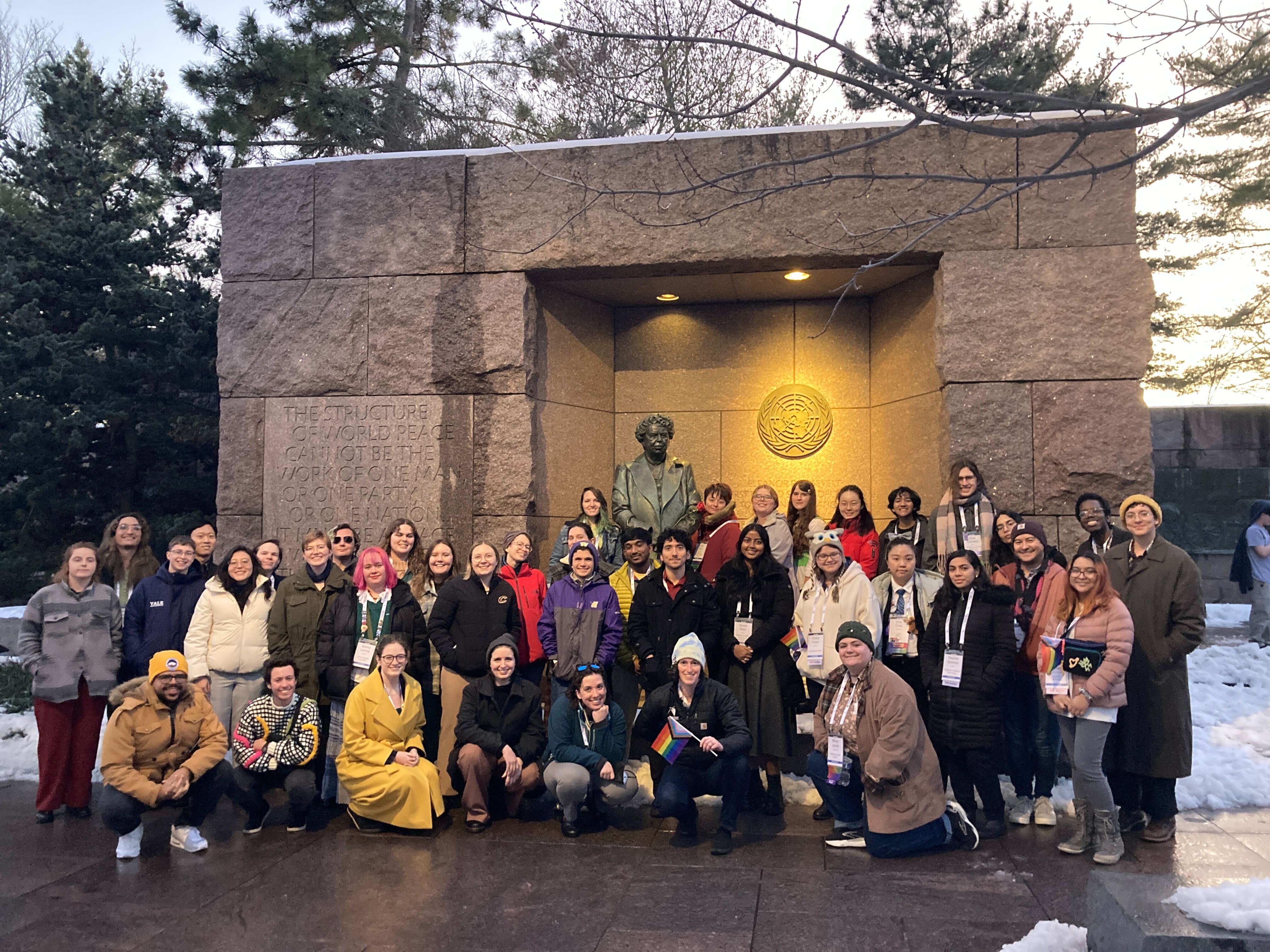
Member of AAS Committee for Sexual and Gender Minorities

I have been an active member of the AAS SGMA committee from 2023–2026. As a member, I created and maintained the Queer Speaker list and created the SGMA mini-grants which go to support local events that build LGBTQ+ community. I led the effort to summarize our committee's work, as well as action items for the astronomy community to support LGBTQ+ individuals in our field in a Nature Article to be published in June 2026.

Public Outreach

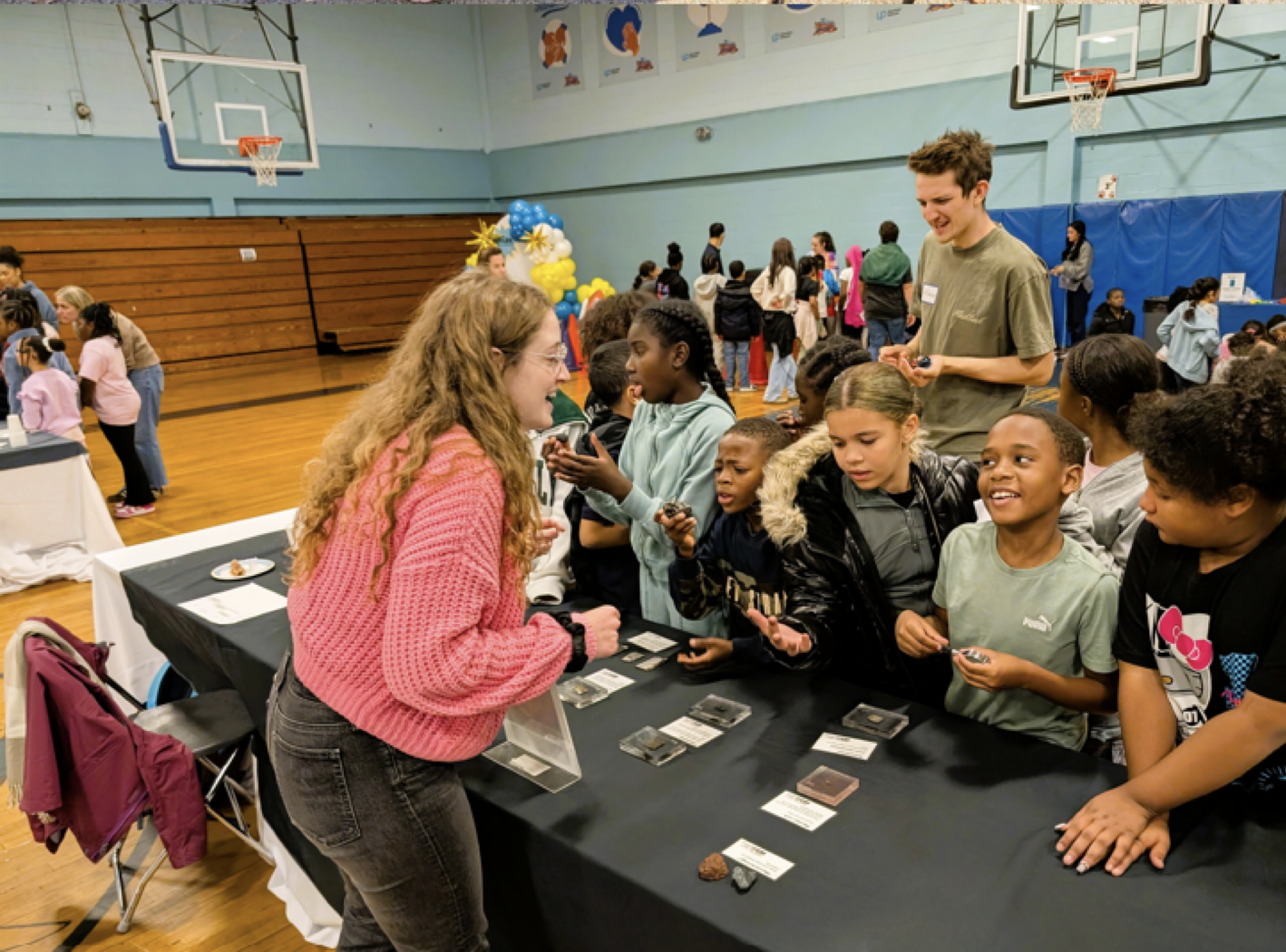
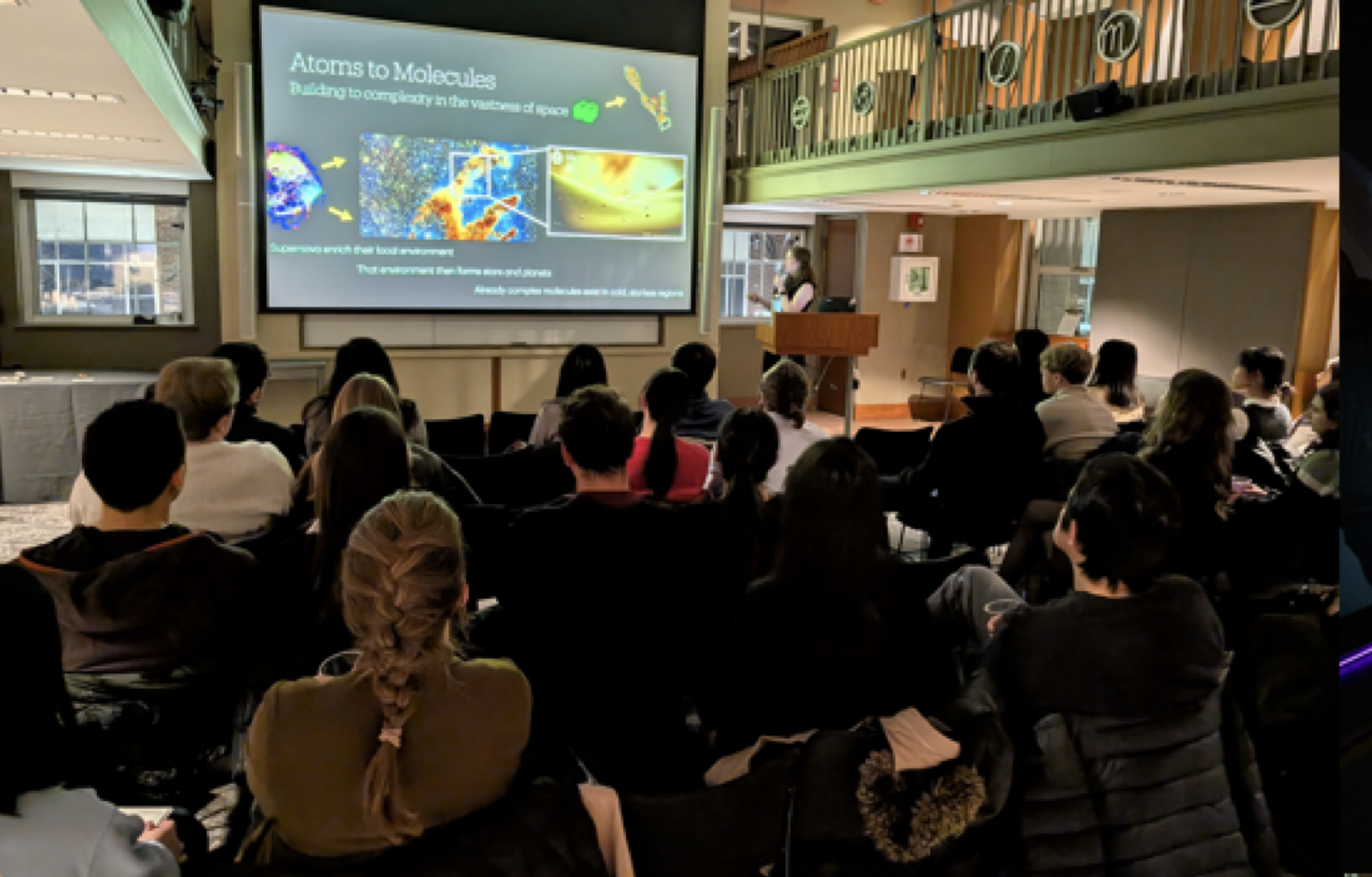
I have given talks for the Boston/Cambridge public on topics of the Origins of Life and planets, as well as led telescope viewing sessions on the roof of the CfA. I have spoken to middle school students both at their schools directly, and through STEM-fair events where I have curated workshops on astronomical topics.

Curriculum Vitae

A full PDF of my CV is available below.

⬇  Download CV (PDF)

Last updated: January 2025